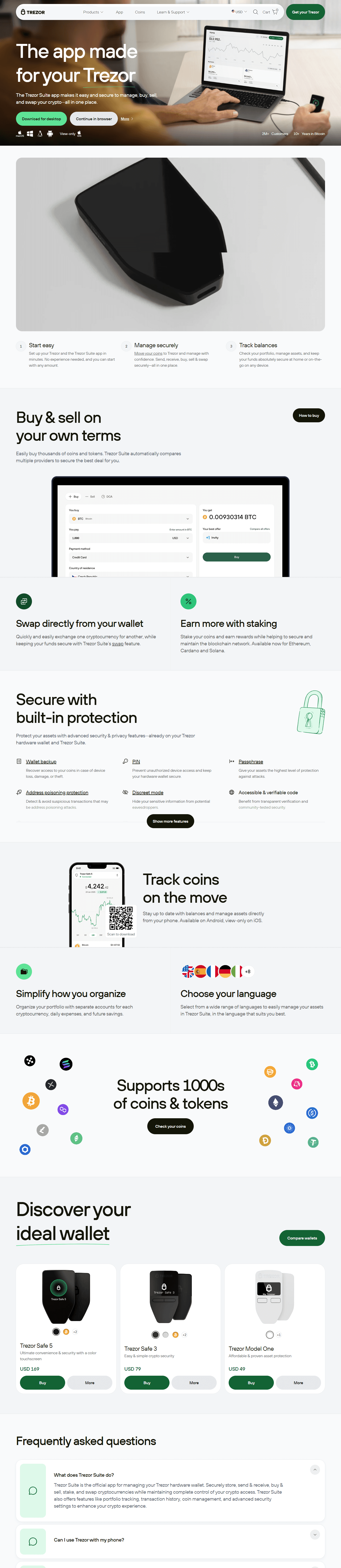
Trezor Login: Securely Accessing Your Cryptocurrency Wallet
In the world of cryptocurrency, security is everything. Digital assets are valuable, but they’re also prime targets for hackers and scammers. A hardware wallet like Trezor provides one of the safest ways to protect your crypto. To manage your funds, you need to understand the Trezor login process, which is designed to keep your assets secure while remaining user-friendly.
What is Trezor?
Trezor is a hardware wallet developed by SatoshiLabs. Unlike software wallets that are always online, Trezor stores private keys offline in a small, secure device. This makes it extremely difficult for hackers to access your funds remotely. Trezor supports a wide range of cryptocurrencies, including Bitcoin, Ethereum, and many altcoins, making it an ideal choice for diverse portfolios.
Why Trezor Login is Important
The login process for Trezor is more than just a gateway to your wallet—it is a critical security step. Accessing your wallet requires both the physical device and a PIN code. This dual-layer system ensures that even if someone steals your computer or tries to install malware, your funds remain protected. Additionally, the login process allows you to:
View your cryptocurrency balances
Send and receive digital assets securely
Manage multiple wallets and accounts
Authorize blockchain transactions safely
Setting Up Your Trezor Wallet
Before you can log in, you need to set up your Trezor device:
Inspect the Device: Always check your Trezor hardware for tampering before initial use.
Connect to Your Computer: Plug the device into your computer using the supplied USB cable. Install the Trezor Bridge from the official website to ensure proper communication between the device and your browser.
Initialize the Wallet: Choose to create a new wallet or recover an existing one. If creating a new wallet, you’ll receive a 12- or 24-word recovery seed. This seed is crucial for restoring access if the device is lost or damaged.
Set a PIN: Your Trezor device will prompt you to create a PIN code. This PIN is required every time you log in.
Backup Your Recovery Seed: Write down your seed on the provided card and store it securely offline. Never store it digitally.
How to Log Into Trezor
Accessing your Trezor wallet involves a few simple steps:
Connect Your Device: Plug your Trezor into your computer or mobile device.
Open the Official Wallet Interface: Visit wallet.trezor.io. Always verify the website to avoid phishing scams.
Enter Your PIN: The Trezor device shows a number grid. Use the device to input your PIN securely. This method prevents keylogging attacks.
Access Your Wallet: Once the PIN is verified, your wallet interface will open in the browser. You can view balances, manage funds, and initiate transactions.
Authorize Transactions: For every transaction, you must physically confirm it on your Trezor device, adding an extra layer of protection against malware.
Security Features of Trezor Login
Trezor is designed with multiple security layers:
PIN Protection: Prevents unauthorized access if the device is lost or stolen.
Recovery Seed: Ensures you can restore your wallet if the device is damaged or misplaced.
Optional Passphrase: Acts as a 25th word to increase security.
Offline Key Storage: Private keys never leave the device, making it extremely resistant to online attacks.
Firmware Updates: Regular updates enhance security and compatibility.
Common Login Issues
Even with a secure system, users may face challenges:
Incorrect PIN: Multiple failed attempts will temporarily lock your device. Use your recovery seed if necessary.
Outdated Firmware: Ensure your device firmware is current to avoid compatibility issues.
Browser Problems: Trezor works best with Chrome or Firefox. Clearing cache or switching browsers can help.
Device Not Detected: Check USB connections and ensure Trezor Bridge is installed.
Best Practices for Trezor Login
To keep your wallet secure:
Always use the official Trezor website or app.
Never store your recovery seed online or on digital devices.
Update your Trezor firmware regularly.
Use a strong passphrase if enabled.
Avoid logging in on public or shared computers.
Conclusion
Logging into your Trezor wallet is more than a routine step—it is a secure gateway to managing your cryptocurrency. By combining physical device verification, PIN authentication, and offline key storage, Trezor ensures your digital assets remain protected from online threats. Understanding the login process, following security best practices, and keeping your device updated are essential for anyone looking to safeguard their crypto holdings.
Trezor continues to be one of the most trusted hardware wallets in the crypto space, offering both security and ease of use. Mastering the login process is the first step toward confidently managing your digital wealth.