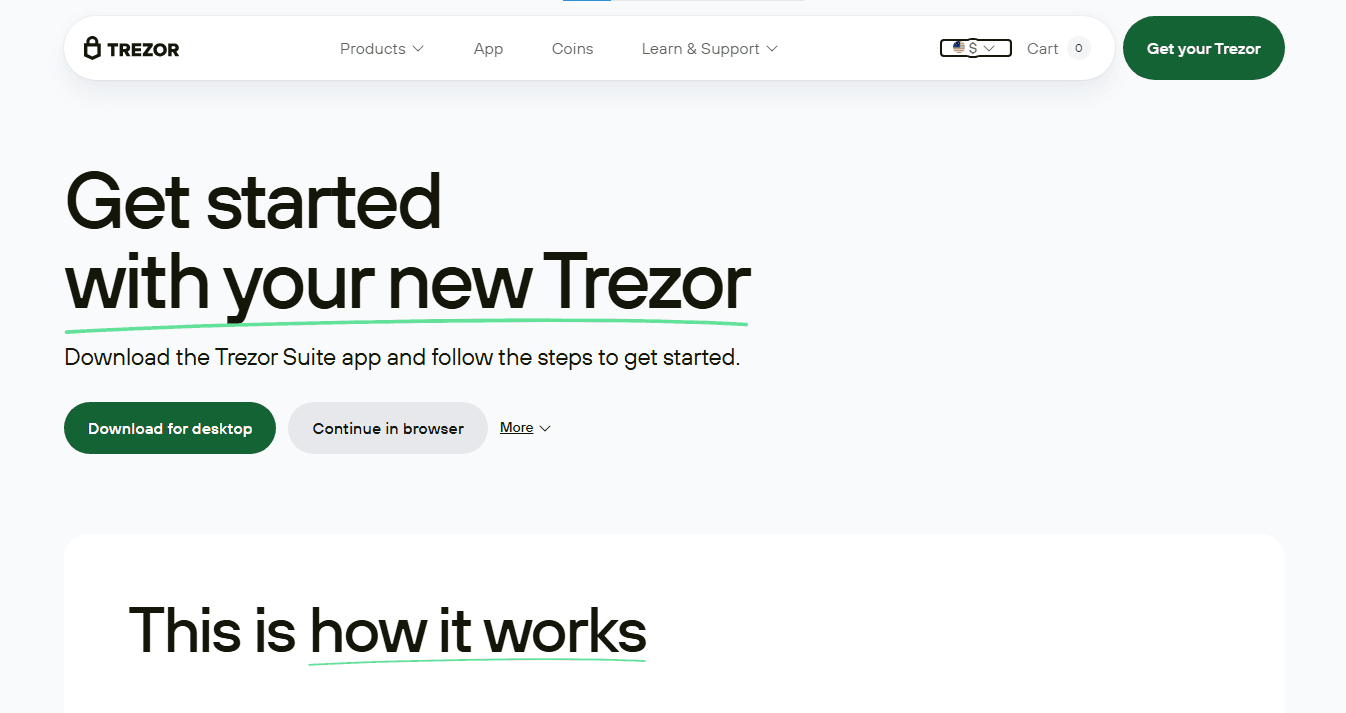
Trezor Login: A Comprehensive Guide to Accessing Your Cryptocurrency Wallet Safely
In the rapidly evolving world of cryptocurrencies, security is a paramount concern. With digital assets becoming increasingly valuable, ensuring that your crypto holdings are safe from hacks, phishing attacks, and other cyber threats is crucial. Hardware wallets like Trezor have emerged as one of the most reliable solutions to this problem, offering users a secure and user-friendly way to store and manage their digital assets. Understanding how to access your Trezor wallet through the Trezor login process is essential for both beginners and seasoned crypto users.
What is a Trezor Wallet?
Trezor is a hardware wallet developed by SatoshiLabs, designed to store private keys offline. Unlike software wallets that are constantly connected to the internet, Trezor keeps your private keys in a secure device, reducing the risk of hacks and unauthorized access. The wallet supports a wide range of cryptocurrencies, including Bitcoin, Ethereum, Litecoin, and many others, making it a versatile option for diverse crypto portfolios.
Importance of Trezor Login
The Trezor login process is not just a method to access your wallet; it is a critical security feature. Logging into Trezor allows users to authorize transactions, manage crypto holdings, and interact with blockchain applications securely. Unlike conventional login systems that rely solely on passwords, Trezor uses a combination of physical device verification and PIN codes, ensuring that even if someone gains access to your computer, they cannot access your funds without the physical device.
Setting Up Your Trezor Wallet
Before understanding the login process, it is important to set up your Trezor wallet correctly:
Unbox and Inspect Your Device: When receiving your Trezor device, check for tampering or damage. Hardware wallets are shipped securely to prevent any interference.
Connect to Your Computer: Use the USB cable provided to connect the Trezor to your computer. Visit the official Trezor website and install the Trezor Bridge, a necessary software that allows your computer to communicate with the wallet.
Initialize the Device: The device will prompt you to create a new wallet or recover an existing one. If you are new, choose to create a new wallet. This will generate a recovery seed, a 12- or 24-word phrase that is crucial for restoring access if your device is lost or damaged.
Set Up a PIN: The Trezor device will ask you to set a PIN code. This code is required every time you log in, providing an additional layer of security.
Backup Your Recovery Seed: Write down your recovery seed on the recovery card provided. Never store this seed digitally or online, as it can be exploited by hackers.
Trezor Login Process
Logging into your Trezor wallet is straightforward but involves several steps to ensure maximum security:
Connect the Device: Plug the Trezor hardware wallet into your computer or mobile device via USB or compatible adapter.
Visit the Official Trezor Web Interface: Go to the official Trezor Wallet site (https://wallet.trezor.io). It is crucial to verify that the website is legitimate to avoid phishing scams.
Enter Your PIN: The device will display a grid with numbers, and your PIN must be entered using the virtual layout on the Trezor device. This method ensures that keystrokes on your computer do not reveal your PIN.
Access Wallet Interface: Once the PIN is entered correctly, the Trezor device will grant access to your wallet interface on your browser. Here, you can view balances, send or receive cryptocurrency, and interact with supported blockchain applications.
Transaction Authorization: Every time you initiate a transaction, your Trezor device will require physical confirmation. This ensures that even if malware compromises your computer, no transaction can occur without your direct approval.
Security Features of Trezor Login
Trezor’s login system is designed with multiple layers of security:
PIN Protection: Prevents unauthorized access to the wallet, even if the device is stolen.
Recovery Seed Backup: Allows users to recover funds in case of loss, damage, or theft of the device.
Passphrase Option: Trezor allows users to set an additional passphrase, functioning as a 25th word, which significantly increases security.
Firmware Updates: Regular updates help protect against emerging vulnerabilities.
Offline Key Storage: Since private keys never leave the device, they remain safe from online attacks.
Troubleshooting Trezor Login Issues
Even with robust security, users may encounter login difficulties. Common issues include:
Incorrect PIN Entry: Multiple failed attempts will temporarily lock the device. Restarting the login process or using the recovery seed can help regain access.
Outdated Firmware: Ensure your device firmware is updated via the Trezor Wallet interface to avoid compatibility issues.
Browser Compatibility: The Trezor Wallet interface works best with major browsers like Chrome or Firefox. Clearing cache or trying a different browser can resolve access problems.
Device Not Detected: Check USB connections and try reconnecting. Using the official Trezor Bridge ensures proper communication between your computer and device.
Best Practices for Secure Trezor Login
To maximize security while logging in to Trezor, consider the following best practices:
Always Use Official Channels: Only use the official Trezor Wallet website or app to access your wallet.
Keep Recovery Seed Offline: Never store your seed phrase digitally, in emails, or cloud storage.
Regular Firmware Updates: Keep your Trezor device updated to benefit from the latest security enhancements.
Use a Strong Passphrase: If using the passphrase feature, choose a complex and memorable phrase that adds an extra layer of security.
Be Wary of Public Computers: Avoid logging into your Trezor wallet on public or shared computers.
Conclusion
The Trezor login process is much more than a simple authentication step—it is the gateway to securely managing your digital assets. By combining physical device verification, PIN protection, and offline storage of private keys, Trezor ensures that your cryptocurrency holdings remain safe from theft and cyberattacks. Understanding the setup, login, and security practices of Trezor is essential for anyone serious about safeguarding their crypto investments. With careful use and adherence to best practices, Trezor remains one of the most trusted solutions in the cryptocurrency world, providing peace of mind in an otherwise volatile and often risky digital landscape.