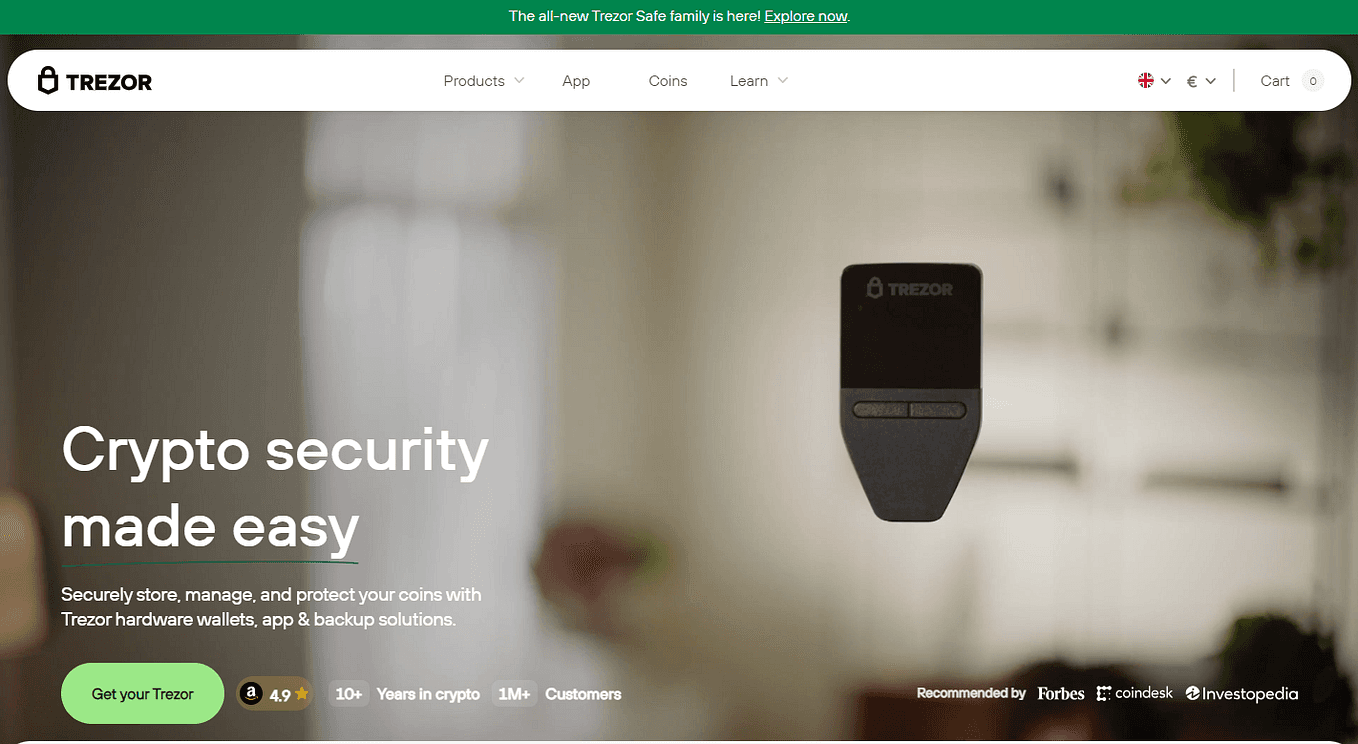
Understanding Trezor Login: A Comprehensive Guide
In today’s digital age, cryptocurrency has become a popular investment and trading avenue. With the rise of digital assets, securing them has become crucial. One of the most trusted tools for this purpose is the Trezor hardware wallet. Trezor is a small, secure device that allows users to store and manage cryptocurrencies offline, significantly reducing the risk of hacks and theft. Understanding how to access and log in to your Trezor wallet safely is essential for anyone dealing with digital assets. This article provides an in-depth look at the Trezor login process, security measures, troubleshooting tips, and best practices.
What is Trezor?
Trezor is a type of hardware wallet developed by SatoshiLabs. Unlike software wallets that are connected to the internet, hardware wallets like Trezor store your private keys offline. This offline storage is vital because it prevents unauthorized access from hackers or malware on your computer. Trezor supports a wide range of cryptocurrencies, including Bitcoin, Ethereum, Litecoin, and many others. Its compact design, combined with advanced security features, makes it one of the leading choices for crypto enthusiasts worldwide.
The Trezor Login Process
Logging into a Trezor wallet is slightly different from traditional online accounts because you are accessing a secure hardware device rather than a web-based service. Here’s a step-by-step guide to logging into your Trezor wallet:
Connect Your Trezor Device:
Begin by connecting your Trezor device to your computer or mobile device using a USB cable. Newer Trezor models may also support wireless connections through mobile apps.Open Trezor Suite or Compatible Wallet Software:
Trezor Suite is the official desktop application for managing your cryptocurrencies. Alternatively, you can use compatible third-party wallets that support Trezor hardware wallets.Enter Your PIN:
Trezor devices require a PIN to unlock. The PIN is set during the initial setup. Unlike traditional PINs, the Trezor PIN entry screen randomizes the number positions each time you enter it, preventing keyloggers from detecting your PIN.Passphrase Entry (Optional but Recommended):
For added security, you can set up a passphrase. This functions as a 25th word in your recovery seed. Each unique passphrase creates a separate wallet, providing an extra layer of protection.Access Your Wallet:
Once the PIN and optional passphrase are entered correctly, you can access your wallet to view balances, send and receive cryptocurrencies, and manage your assets securely.
Security Features of Trezor Login
Trezor is renowned for its security. Here are the main features that protect your cryptocurrency:
Offline Private Key Storage: The private keys never leave the device, ensuring that they are not exposed to the internet.
PIN Protection: Even if someone physically steals your device, they cannot access your wallet without the PIN.
Passphrase Security: This optional feature adds an additional layer of encryption.
Recovery Seed: During setup, Trezor generates a 12- or 24-word recovery seed. This is the only way to recover your wallet if your device is lost or damaged.
Firmware Verification: Trezor checks the authenticity of its firmware to prevent tampering or malware attacks.
Common Issues During Trezor Login
Even though Trezor is secure and user-friendly, users may encounter some common issues during login:
Incorrect PIN or Passphrase: Multiple failed attempts can temporarily lock the device. Always enter your PIN carefully.
Outdated Firmware: Trezor requires up-to-date firmware to function properly. Using an old version may prevent login.
Browser or Software Issues: Sometimes, Trezor Suite or web-based wallets may not recognize the device. Restarting the software or using a different browser often resolves this.
Hardware Malfunction: Rarely, the device may have hardware issues. Contacting Trezor support is recommended if troubleshooting fails.
Best Practices for Secure Trezor Login
To ensure maximum security while using your Trezor wallet, follow these best practices:
Never Share Your PIN or Passphrase: Trezor security depends entirely on the secrecy of your PIN and optional passphrase.
Keep Your Recovery Seed Safe: Store your recovery seed offline in a secure location. Never save it digitally or share it online.
Regularly Update Firmware: Firmware updates contain important security patches that protect your wallet from potential vulnerabilities.
Avoid Public Computers: Only access your Trezor wallet on trusted devices to minimize the risk of malware or keyloggers.
Enable Passphrase Protection: While optional, passphrase protection significantly enhances security, especially for large crypto holdings.
Conclusion
The Trezor login process is designed with security as the top priority, ensuring that your cryptocurrency assets remain safe from online threats. By understanding how to access your wallet, the security features in place, and common troubleshooting steps, you can confidently manage your digital assets. Remember, the key to Trezor’s effectiveness lies in careful handling of your device, PIN, passphrase, and recovery seed. Following best practices ensures that your crypto holdings remain secure, giving you peace of mind in the rapidly evolving world of digital finance.
Whether you are a beginner or an experienced crypto trader, mastering Trezor login and security features is a crucial step toward safe cryptocurrency management. Investing in a Trezor hardware wallet is not just about convenience; it’s about adopting a robust security strategy that protects your digital wealth from potential cyber threats.